Skip to content

Reviews

Why Is Bathtub Replacement Better Than Refinishing?

A worn bathtub can change the entire feel of a bathroom. Stains, chips, soft surfaces, and repeated caulking often signal deeper problems. Refinishing may improve the appearance, but it usually treats the visible surface only. The new coating can look bright for a while. Then moisture, cleaning products, or daily use may expose weak areas again.

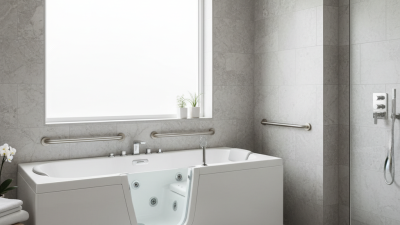
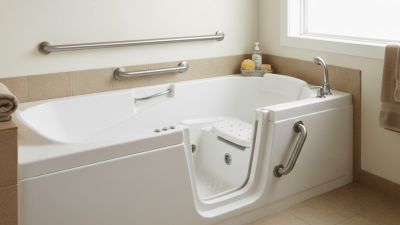
Bathtub replacement offers a more complete solution when the fixture has structural damage. A professional installer can remove the old tub, inspect surrounding walls, and address hidden moisture before fitting the new unit. The result is usually stronger, easier to maintain, and better matched to modern bathroom designs. Homeowners also gain practical choices, including safer entry heights, built-in shelving, textured floors, and water-efficient fixtures. It is a bigger project, though. Removal can create dust, require plumbing adjustments, and increase the budget. That matters.

Refinishing still makes sense for a sound tub with minor cosmetic wear. However, it may not solve persistent leaks, deep cracks, or an outdated shape. A careful assessment should guide the decision, not a quick sales promise. Measurements, substrate condition, ventilation, and installation experience all affect the final result. Based on common remodeling experience, bathtub replacement often provides longer-lasting value when damage extends beyond the finish. It is not automatically better for every bathroom. That detail deserves attention.
Why Is Bathtub Replacement Better Than Refinishing?

What Bathtub Replacement and Refinishing Involve

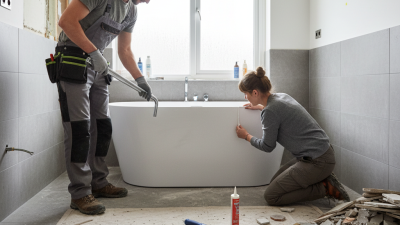
When a bathtub looks worn, homeowners often compare refinishing with replacement. The difference starts with the work involved. Replacement requires removing the old tub, disconnecting the drain, and checking the surrounding plumbing. A technician may also inspect the subfloor for moisture damage. The new tub must sit level and connect securely to the drain. Waterproof wall panels or tiles are then installed around the edges. Finally, the plumbing is tested for leaks before the area is sealed. It is disruptive. Dust and debris are unavoidable, especially in older bathrooms.

Refinishing follows a less invasive process. The surface is cleaned, sanded, repaired, primed, and coated with a durable finish. Small chips and stains can disappear within a day. However, refinishing cannot correct a badly warped tub or hidden water damage. Its result also depends heavily on surface preparation and careful curing. Replacement usually offers a longer-term solution because it removes the damaged fixture entirely. It can also improve comfort, drainage, and bathroom safety through a better-fitting design. Still, replacement is not automatically better for every budget or layout. I have seen homeowners choose refinishing too quickly, then regret ignoring soft flooring beneath the tub. A careful inspection should guide the decision.

How Replacement Addresses Structural and Surface Problems

Why Is Bathtub Replacement Better Than Refinishing?

How Replacement Addresses Structural and Surface Problems

Refinishing can improve color, gloss, and minor scratches, but it cannot rebuild a weakened bathtub. A careful inspection may reveal flexing beneath the feet, rust around the drain, or moisture-softened flooring. Cracks rarely stay cosmetic. Water can travel behind the tub and damage framing, insulation, or nearby walls. Replacement removes the damaged fixture and allows installers to examine the surrounding structure. That changes the decision.

A new bathtub also addresses problems that coatings cannot solve. Deep chips, warped surfaces, failed seams, and unstable supports often return after refinishing. During replacement, the plumbing connection, drain seal, wall panels, and support base can be checked together. Correct leveling matters because standing water can collect near the drain. Proper waterproofing matters even more. Small installation details protect the room for years.

Still, replacement is not automatically perfect. It creates dust, noise, disposal work, and a higher initial cost. A rushed installation can introduce leaks that did not exist before. I have learned that the fixture alone is never the whole project. The floor, supply lines, wall condition, and household needs deserve equal attention. Refinishing may remain reasonable when the tub is structurally sound and only its finish has deteriorated. When both structure and surface have failed, replacement offers a more dependable repair path.

Why Is Bathtub Replacement Better Than Refinishing?

How replacement addresses structural and surface problems

This comparison uses a capability scale: 1 means the method directly addresses the problem, while 0 means it does not. Bathtub replacement removes and replaces damaged materials, making it suitable for cracks, leaks, unstable substrates, and major surface deterioration. Refinishing renews the visible surface but does not repair structural damage beneath the existing tub.

Comparing Durability, Maintenance, and Long-Term Value

A bathtub can look acceptable while hiding problems beneath its surface. Refinishing covers worn enamel, but it cannot strengthen a cracked base or aging plumbing. Replacement removes the damaged fixture and lets installers inspect the floor, drain, and wall joints. That access matters. Field assessments often reveal hidden moisture behind a small stain. A fitted replacement can provide a solid surface for many years when the tub is level and firmly supported.

Daily maintenance usually favors replacement. New, nonporous surfaces need mild cleaner and a soft cloth. Refinished coatings may scratch, peel, or lose adhesion after harsh chemicals, standing water, or repeated impact. They can last, but preparation and ventilation must be excellent. A replacement tub still needs care. Hard-water buildup can dull the finish. Neglected caulk can direct water into the wall. Inspect caulk every few months. It prevents larger repairs.

Long-term value involves more than the initial price. Refinishing costs less upfront and creates less demolition waste. However, repeated touch-ups can erase that early saving. Replacement requires more labor, disposal, and planning, yet it may improve comfort, safety, and resale appeal. A low-threshold design can support limited mobility, while a stable floor reduces slipping concerns. The comparison is not perfectly simple. If the existing tub is structurally sound, refinishing may remain sensible. Experienced professionals should assess substrate damage, expected service life, cleaning habits, and budget before recommending either option.

Evaluating Installation Time, Cost, and Design Flexibility

Why Is Bathtub Replacement Better Than Refinishing?

01

Bathtub Replacement and Refinishing

Bathtub replacement can reduce disruption when the existing tub has deep cracks, soft flooring, or repeated surface damage. A trained installer may remove the old unit, inspect the framing, and fit the replacement within one or two working days. The bathroom may be usable soon after installation. Refinishing usually takes less time, but coatings need careful preparation and curing. They can fail when moisture remains underneath. Still, replacement is not automatically faster. Old plumbing, narrow stairways, or hidden water damage can extend the schedule. A site inspection matters.

02

Understanding the Cost

Cost needs a wider view. Refinishing often has a lower starting price because it uses the current tub and surrounding layout. However, repairs may return if the surface continues to flex or leak. Replacement can cost more at first, especially when plumbing, flooring, or wall panels need changes. It may offer more predictable long-term maintenance. I would not promise savings without reviewing the tub’s condition, access, and installation scope. Small details matter.

03

Design Flexibility

Design flexibility is the strongest difference. Replacement allows homeowners to change tub depth, wall storage, grab-bar placement, and drain configuration. A bright white unit is not the only option. Textured surfaces, built-in shelves, and easier entry designs can improve daily use. Refinishing mainly changes color and surface appearance. That limitation can feel frustrating after a bathroom renovation. Yet design upgrades may increase labor and material costs, so each choice deserves a realistic budget and a written quote.

When Bathtub Replacement Is the More Practical Choice

Why Is Bathtub Replacement Better Than Refinishing?

When Bathtub Replacement Is the More Practical Choice

Refinishing can refresh a stained tub, but it cannot repair deep structural damage. Replacement becomes more practical when the surface feels soft, cracks repeatedly, or leaks around the drain. Water may already be reaching the subfloor. That hidden problem deserves attention.

The 2024 Houzz U.S. Bathroom Trends Study reported that 84% of renovating homeowners upgraded their showers. This signals a broader demand for safer, more functional bathing spaces. A new tub can provide a lower entry step, stronger support, and better water containment. It also allows contractors to replace worn plumbing connections behind the fixture. That work is difficult after refinishing.

Harvard University’s Joint Center for Housing Studies continues to report historically high homeowner remodeling activity. Homeowners are investing more in comfort and long-term usability. Replacement usually costs more at the beginning. Still, it may reduce repeated coating repairs and future water damage. Professional installers should inspect the framing, subfloor, drain, and wall surround before recommending it.

No report can replace an on-site assessment. I have seen attractive refinishing conceal problems that returned within months. Sometimes, replacement feels excessive. Sometimes, avoiding it costs more.