Serving Minnesota & Iowa for over 25 years
As homeowners increasingly seek safety and accessibility in their bathrooms, "step in tubs" have emerged as a popular solution. According to a recent report by the National Kitchen and Bath Association, 35% of homeowners prioritize safety features in their bathroom designs. Industry expert Dr. Emily Carter emphasizes this trend, stating, “Step in tubs provide an elegant yet practical solution for all age groups.”
Modern design trends have influenced these tubs, integrating sleek aesthetics with essential functionality. Manufacturers are now focusing on innovative designs that can easily fit into various bathroom layouts. Notably, many designs incorporate hydrotherapy features, enhancing the bathing experience significantly. However, despite their advantages, some homeowners struggle with adequate space for installation, reflecting a need for tailored design solutions in urban areas.
The market for step in tubs continues to grow, yet it raises questions about consumer awareness. Many still underestimate their benefits compared to traditional tubs. Educating prospective buyers on the advantages of step in tubs could further boost their adoption. As the demand rises, it remains vital to assess both the positive impacts and the potential barriers to ownership.
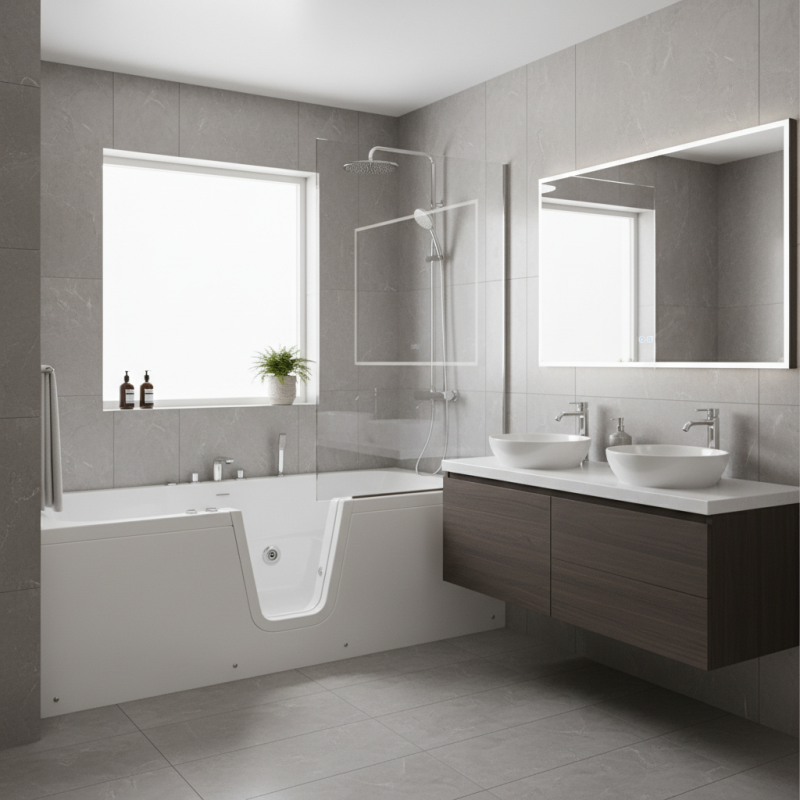
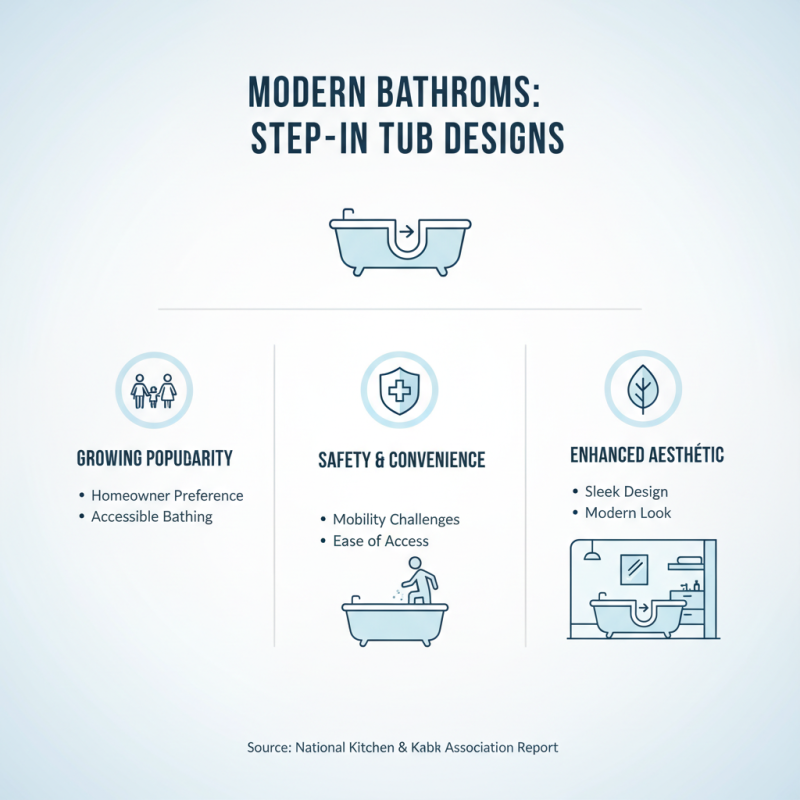
In recent years, step-in tub designs have gained popularity in modern bathrooms. A report from the National Kitchen and Bath Association indicates that more homeowners prefer accessible bathing options. This trend reflects a growing need for safety and convenience. Step-in tubs provide an ideal solution for individuals with mobility challenges. They also enhance the overall aesthetic of a bathroom.
When choosing a step-in tub, consider size and layout. Many designs feature a low threshold, making entry and exit easier. Utilize space efficiently, especially in smaller bathrooms. Pay attention to materials as well; acrylic and fiberglass are popular for their durability and ease of maintenance.
**Tips:** Aim for contrasting colors to help distinguish the tub from the surrounding walls. This can enhance safety and visual appeal. It’s also wise to invest in non-slip flooring near the tub. Safety should always be a priority when designing a modern bathroom bathing space.
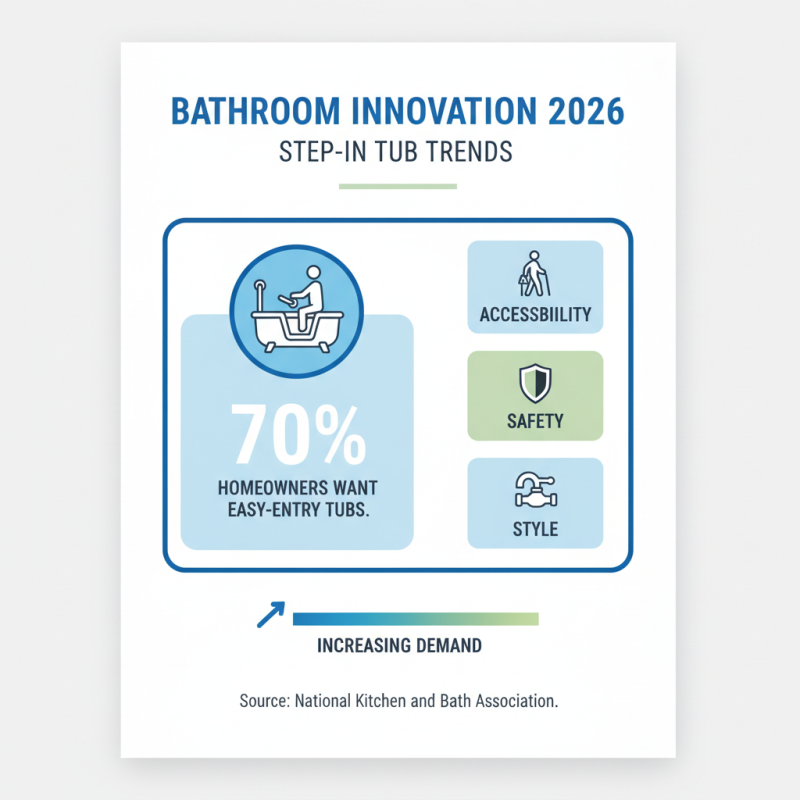
In 2026, step-in tub designs are evolving to meet modern bathroom needs. Consumers prioritize accessibility, safety, and style. Data from the National Kitchen and Bath Association reveals that over 70% of homeowners want easy-entry tubs. This statistic emphasizes the increasing demand for user-friendly bathing solutions.
When choosing a step-in tub, consider the height and width of the entry. Many models feature a low threshold to assist those with mobility challenges. A study shows that tubs with non-slip surfaces reduce the risk of falls by 30%. Additional features, such as built-in grab bars, are essential for safety. Adjustable showerheads and customizable jets enhance the bathing experience.
Modern designs often include sleek finishes that complement various aesthetics. However, not all models offer effective water drainage. It's critical to research this feature. Many users have reported dissatisfaction due to ineffective drainage systems. Functionality should not be sacrificed for style. Each feature should contribute to a seamless experience for the user. The right step-in tub makes a significant difference in daily routines.
Step-in tubs are becoming a popular choice in modern bathrooms. They enhance accessibility and provide a stylish solution for relaxation. Integrating these tubs with your bathroom decor can elevate the entire space. Think about colors and textures that complement your tub. A sleek, white step-in tub can pair beautifully with earthy tones. Tiling with natural stones adds a touch of luxury.
Lighting is another critical element. Soft, ambient lighting around the tub can create a serene atmosphere. Consider adding candles for a warm glow. However, make sure not to overdo it. Too many elements may clutter the space. It’s essential to maintain a balance between functionality and aesthetics.
Sometimes, simplicity is best. A minimalist design with clean lines can work wonders. Reflect on the overall theme of your bathroom. Every decision, from faucets to wall art, should tie back to your vision. Aim for a cohesive look without sacrificing comfort. Take the time to experiment with different arrangements and styles. It can be a journey of discovery, revealing unexpected combinations that resonate with you.
The demand for step-in tubs is rising. According to a recent industry report, over 40% of consumers prioritize safety features. Many modern step-in tubs include slip-resistant flooring and grab bars. These features aim to prevent accidents and enhance user confidence. Studies show that bathroom falls can result in severe injuries, which is why safety is a top concern.
Another innovation in step-in tub technology is the low-entry design. This design minimizes the effort needed to get in and out of the tub. However, not all designs meet the needs of everyone. Some users find the entry height still too challenging. The goal is to make bathing safe and enjoyable. An ideal step-in tub should cater to diverse user capabilities and preferences.
Moreover, water temperature regulation is a key focus. Some tubs now offer advanced controls to avoid sudden temperature changes. However, if these controls malfunction, they can lead to burns or discomfort. Balancing technology and practicality remains a challenge in this evolving market. Safety should never be an afterthought in design.
Step-in tubs are becoming increasingly popular in modern bathrooms. They offer easy access and a relaxing bathing experience. However, ensuring their longevity requires regular maintenance. Here are some practical tips to help you care for your step-in tub effectively.
First, clean the tub regularly to prevent buildup. Use a soft cloth with mild soap. Avoid abrasive cleaners that can scratch the surface. Rinse thoroughly after cleaning to remove soap residue. Inspect for cracks or chips periodically. Address any damage quickly to prevent further issues.
Additionally, check the water temperature settings. Extremely hot water can damage plumbing and the tub material. Ensure the environment around the tub is dry to prevent mold. Use bath mats that absorb water effectively. Thoughtful choices in cleaning and care can make a significant difference.
This bar chart illustrates the popularity of various step-in tub materials in modern bathrooms for the year 2026, showcasing the preference among homeowners. Acrylic holds the highest share, followed by fiberglass and cast iron.