Serving Minnesota & Iowa for over 25 years
Choosing the right double front doors is rarely just a matter of appearance. Global buyers must compare climate, security, installation, maintenance, and local building requirements. A door that performs well in a dry European climate may swell in coastal humidity or lose efficiency during severe winters. Small details matter.
This guide examines ten leading double front doors for international residential projects. It considers engineered timber, fiberglass, steel, and aluminum options. Each material offers different strengths, costs, and maintenance demands. We look at frame depth, weather seals, glass performance, threshold design, hardware quality, and available dimensions. These features affect daily comfort, energy use, and long-term reliability.
The selection also reflects practical buying experience. Door samples can reveal grain variation, finish quality, and handle movement better than photographs. Supplier communication matters too. Clear drawings, accurate measurements, packaging protection, and installation guidance reduce costly surprises. Certification should be checked against the destination market, rather than assumed from a product label.
No single door suits every home. That is worth remembering. A grand oak entrance may impress visitors but require regular care. A thermally broken aluminum system may offer better stability, yet feel less traditional. Some rankings may change after freight costs, regional labor, or weather exposure are considered. This overview provides a careful starting point, not an absolute verdict. It helps architects, developers, and homeowners ask better questions before selecting their next double front doors.
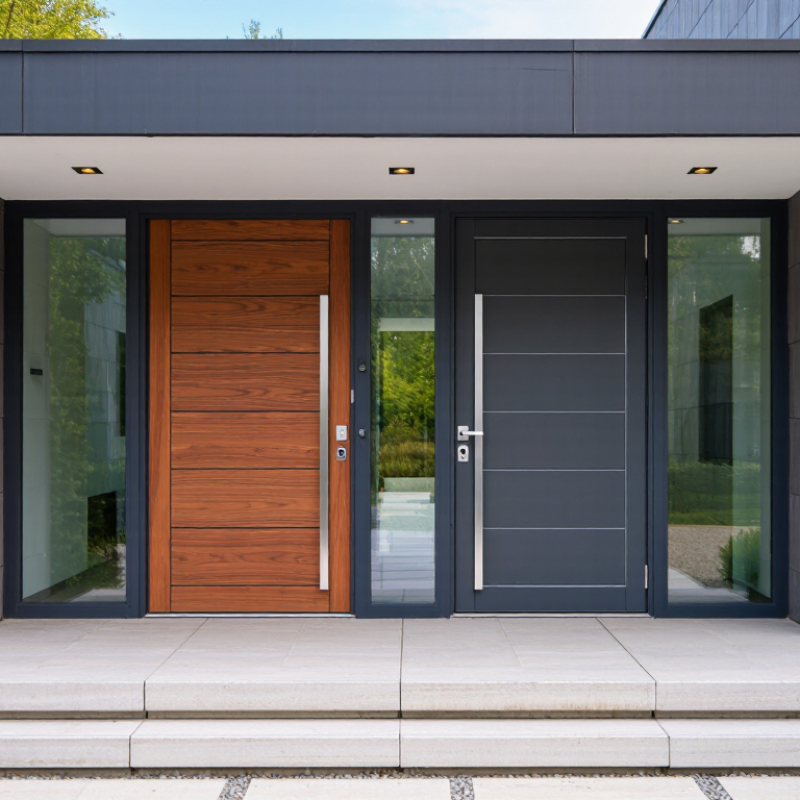
For international buyers, a double front door means more than two matching panels. It is an entrance system designed for climate, security, movement, and local construction standards. A strong pair should open smoothly, resist warping, and seal tightly at the meeting point. This matters because buildings consume about 30% of global final energy, according to the International Energy Agency. Thermal breaks, insulated cores, low-conductivity frames, and tested weather seals can reduce unwanted heat transfer. However, performance claims should include test conditions, not vague words such as “premium” or “all-weather.”
The best options usually combine engineered timber, reinforced steel, aluminium, or composite materials. Each choice has limits. Timber feels warm but needs maintenance in humid regions. Aluminium is stable but may conduct heat without a proper thermal barrier. Buyers should check air leakage, water penetration, wind resistance, U-value, and hardware-cycle testing. The National Fenestration Rating Council explains that U-factor measures heat transfer, while lower values generally indicate better insulation. Door width also needs careful planning. A wide opening may look impressive, yet it can create heavier leaves and weaker hinges.
Tips: Request full test reports, installation drawings, and warranty terms before ordering. Confirm the rough opening with a local professional. Check swing direction, threshold height, drainage, and emergency access requirements. Visit a completed installation if possible. Small details matter. I have seen attractive doors fail because the sill was poorly drained. Buyers should also compare whole-life cost, not only the purchase price. The ideal design may be less dramatic, but more reliable after five rainy seasons.
Double front doors are commonly specified by their nominal overall width. The chart compares widely used residential door-set widths, shown in millimeters, for international planning and early-stage product comparison.
These dimensions represent commonly specified nominal sizes rather than a universal ranking. Actual clear openings, frame dimensions, swing direction, accessibility requirements, and local building codes may differ by country.
For global buyers, the best double front door depends on climate, not appearance alone. In humid or coastal areas, fiberglass resists swelling and salt-laden air better than untreated timber. Aluminum can perform well too, especially with a thermal break and durable protective coating. Steel offers strong security, but exposed edges may corrode if maintenance is neglected.
Cold climates need insulated door slabs, compression seals, and low-conductivity frames. An insulated timber or fiberglass construction can reduce drafts around a wide opening. Double glazing helps, but poorly sealed glass panels still lose heat. In hot, dry regions, solid timber can provide visual warmth, although direct sunlight may cause movement and fading. A shaded entrance, reflective finish, and ventilated overhang can reduce heat stress. Timber needs more care than many buyers expect.
Heavy rainfall calls for a raised threshold, sloped sill, and reliable drainage channel. In regions with strong winds, reinforced stiles and multi-point locks improve stability. Laminated glass is useful where impact resistance matters. For mixed climates, composite doors with insulated cores often offer the most balanced performance. Still, no material is perfect. Installation errors can defeat an expensive door. Local wind-load rules, humidity levels, and replacement-part availability should guide the final choice. Measure the opening carefully. Tiny gaps become obvious problems.
| Rank | Double-Door System | Primary Materials | Typical Construction | Best Climate Suitability | Indicative Thermal and Weather Performance | Maintenance Level | Best Use Case |
|---|---|---|---|---|---|---|---|
| 1 | Insulated Fiberglass Double Doors | Fiberglass-reinforced polymer skins with polyurethane or polystyrene foam core | Engineered stiles and rails, compression weatherstripping, insulated panels, and adjustable multipoint or deadbolt locking | Cold, hot, humid, coastal, and mixed climates | Low heat transfer; commonly available with insulated glazing and factory-applied weather seals. Fiberglass resists moisture-related swelling and warping better than untreated wood. | Low | A balanced choice for energy efficiency, durability, and low upkeep |
| 2 | Thermally Broken Aluminum Double Doors | Powder-coated or anodized aluminum with reinforced polyamide thermal barriers | Hollow aluminum profiles separated by a low-conductivity thermal break; usually paired with insulated or laminated glass | Hot, humid, high-wind, and coastal climates when corrosion-resistant finishes are specified | Slim profiles and strong resistance to rot; thermal-break construction substantially reduces condensation and heat bridging compared with non-broken aluminum. | Low to medium | Modern façades, large openings, and areas exposed to sunlight or wind |
| 3 | Engineered Wood Insulated Double Doors | Laminated timber, finger-jointed wood, veneer, and insulated core | Multi-layer wood components with moisture-resistant adhesives, sealed edges, insulated panels, and durable exterior coatings | Cold and temperate climates; suitable for humid regions only with excellent sealing and maintenance | Wood naturally provides good insulation, while engineered layers reduce movement and splitting compared with a single solid-wood slab. | Medium | Traditional or transitional architecture requiring natural texture and improved dimensional stability |
| 4 | Solid Hardwood Double Doors | Moisture-resistant hardwood with protective stain, paint, or clear coating | Thick solid panels, mortise-and-tenon or doweled joinery, reinforced hinges, threshold, and perimeter seals | Dry, temperate, and moderately cold climates with protected entry conditions | Good inherent insulation and high impact resistance, but solid wood can expand, contract, or warp if exposed to persistent moisture or rapid humidity changes. | High | Prestige entrances where appearance, authenticity, and repairability are priorities |
| 5 | Insulated Steel Double Doors | Galvanized or coated steel skins with a polyurethane or polystyrene core | Steel-faced panels, reinforced internal framing, insulated core, welded or mechanically joined frame, and multi-point security hardware | Cold, temperate, and high-security applications; suitable for humid areas with properly protected coatings | High strength and good insulation when the core is continuous. Scratches or damaged coatings should be repaired promptly to reduce corrosion risk. | Low to medium | Security-focused residential and multi-unit entrances |
| 6 | uPVC or Vinyl Double Doors | Multi-chamber extruded uPVC profiles with reinforced cores and insulated glazing | Welded or mechanically joined multi-chamber frames, compression seals, insulated panels, and steel or composite reinforcement where required | Cold, humid, and mixed climates; generally less suitable for extreme direct-sun exposure without UV-stable profiles | Low thermal conductivity and good resistance to moisture and corrosion. Expansion must be considered in hot climates, especially for large dark-colored frames. | Low | Cost-conscious projects seeking efficient thermal insulation and simple cleaning |
| 7 | Aluminum-Clad Timber Double Doors | Interior timber core with exterior aluminum cladding and insulated glass | Thermally efficient wood interior, ventilated or drained exterior cladding, sealed joints, and replaceable weather seals | Cold, wet, mixed, and coastal climates when the cladding system is properly detailed | Combines the insulation of wood with improved exterior weather protection; drainage paths and carefully sealed interfaces are essential for long-term durability. | Low to medium | Premium homes requiring a natural interior finish and durable exterior protection |
| 8 | Composite Double Doors with Reinforced Frames | Glass-fiber composite, resin-based skins, foam core, and reinforced polymer or metal frame components | Layered composite panels, bonded or molded skins, insulated core, moisture-resistant frame, and compression gaskets | Humid, rainy, coastal, and mixed climates | Good resistance to rot, corrosion, and moisture absorption; performance depends on the quality of the frame, seals, threshold, and installation. | Low | High-moisture locations where stable dimensions and low maintenance are important |
| 9 | Glazed Thermally Broken Double Doors | Thermally broken aluminum, uPVC, fiberglass, or timber frames with double or triple insulating glass | Paired operable leaves with insulated glazing units, warm-edge spacers, laminated safety glass options, multipoint locks, and continuous gaskets | Cold, temperate, and sunny climates when solar-control glass is selected correctly | Can deliver strong daylight and airtightness, but glass area increases solar gain and heat loss compared with insulated opaque panels. Low-emissivity coatings and argon-filled units can improve efficiency. | Medium | Entries that prioritize daylight, visibility, and contemporary design |
| 10 | Oversized Pivot-Style Double Front Doors | Engineered wood, aluminum, steel, fiberglass, or composite panels with reinforced pivot hardware | Large paired leaves supported by top-and-bottom pivot points, reinforced jambs, concealed closers, drop seals, and a substantial sill | Dry and temperate climates; usable in wet or windy locations only with tested seals and carefully engineered drainage | Creates a wide architectural opening, but large leaves require precise alignment. Air leakage, water penetration, and threshold performance should be verified for the local exposure level. | Medium to high | Large statement entrances where architectural impact is more important than maximum thermal efficiency |
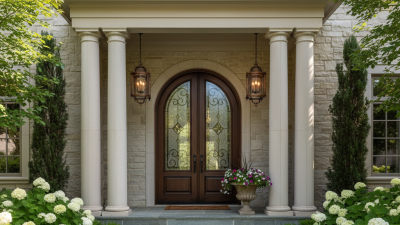
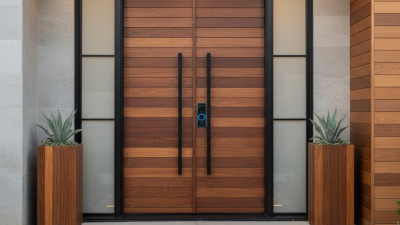
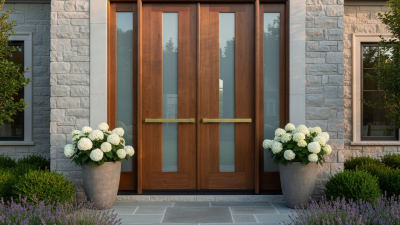
For global buyers, the top ten double front door designs differ more than photographs suggest. A useful comparison should examine climate, entry width, security, maintenance, and shipping limits. Traditional raised-panel doors offer warmth and privacy. Full-glass doors brighten dark hallways but need shading. Slim metal-framed doors suit modern homes, yet fingerprints and condensation appear quickly. Pivot-style pairs create drama, although their hardware requires precise installation. “Looks impressive” is not a performance test.
The ten designs include raised-panel, full-glass, metal-framed, pivot, arched, louvered, flush, craftsman, carved-wood, and mixed-material doors. Arched doors soften large façades but may cost more to measure and manufacture. Louvered doors improve airflow, while solid flush doors provide stronger privacy and simpler cleaning. Craftsman designs add visible structure through divided glass and sturdy rails. Carved wood offers individuality, but moisture can distort detailed surfaces. Mixed-material doors balance timber, glass, and metal, though repairs may involve several specialists.
Experienced installers usually check frame movement, threshold drainage, hinge capacity, and local weather exposure before recommending a style. Buyers in humid regions should ask about sealed edges and corrosion-resistant hardware. Cold climates need insulated cores and reliable weatherstripping. Windy locations may require reinforced frames, not just heavier panels. Small details matter.
A design can still disappoint. I once underestimated how much a dark finish showed dust near a busy entrance. Door samples also look different under morning and evening light. Before ordering, compare full-size finish samples, opening measurements, replacement parts, and installation support. A beautiful pair is only useful when both doors close evenly every day.
For global buyers, double front doors should be measured before appearance is considered. Record the rough opening, finished floor height, wall thickness, and available swing space. Common door sets range from about 1,500 to 2,400 millimeters wide, but local building practice varies. A 100-millimeter clearance may prevent the handles from striking nearby walls. Small details matter.
Security begins with the frame, not only the lock. Look for a reinforced frame, multi-point locking, laminated impact-resistant glass, and hinges protected from removal. Check whether the door includes adjustable locking points after installation. On site, I also inspect the threshold, because a weak threshold can undermine a strong door. Security claims should be supported by tested standards accepted in the installation country. Marketing language is not evidence.
Energy performance deserves equal attention. Compare the whole-door U-value, not just the glass rating. Lower U-values usually indicate better insulation, but climate changes the priority. Cold regions need strong thermal separation and airtight seals. Hot regions may need low solar heat gain and shaded glazing. Ask for air-leakage, water-resistance, and wind-load test results. A suitable energy label can differ between regions, so confirm its calculation method. I have seen attractive doors fail because the installer left gaps around the frame. That mistake is easy to overlook. Review warranties, replacement parts, and maintenance requirements before ordering. Local certification may be less glamorous, but it protects the buying decision.
For global buyers comparing the top 10 double front doors, installation should rank beside design and security. The International Energy Agency reports that buildings consume about 30% of global final energy, making thermal performance commercially important. For glazed doors, request tested U-value, solar heat-gain data, air leakage, and water resistance. ISO 10077-1 provides calculation methods for door and window thermal transmittance, while EN 14351-1 covers performance characteristics for external pedestrian doorsets. North American projects may also reference ASTM E283, E331, and E330 testing.
Installation changes real performance. Confirm the rough opening before ordering, including sill height and drainage space. A heavy double door needs a rigid, level frame, accurately placed shims, and secure anchoring. Installers should check that both leaves meet evenly, the astragal seals continuously, and the threshold remains watertight after adjustment. Small gaps become obvious during wind-driven rain. Very obvious. Manufacturer instructions matter, but local building professionals should verify them against regional requirements.
Total cost means more than the quoted door. Add freight, crating, insurance, customs charges, local taxes, glazing upgrades, hardware, removal, labor, and possible structural reinforcement. The World Bank’s Logistics Performance Index shows that cross-border delivery reliability varies substantially between markets, so contingency planning is sensible. Ask for a delivered-and-installed quotation with currency, lead time, warranty scope, replacement-part availability, and testing documents. I would not choose the lowest bid automatically; that shortcut can hide weak installation support and expensive field modifications.