Skip to content

Reviews

Top Tips for a Successful Bathtub Replacement Project?

When considering a bathtub replacement, many homeowners feel overwhelmed. Expert contractor John Simmons notes, "A successful bathtub replacement blends aesthetics with functionality." His insight underscores the importance of careful planning. It’s not just about choosing a new tub; it’s about creating a space that complements your bathroom.

One challenge many face is selecting the right materials. For instance, acrylic tubs are easy to maintain but can scratch easily. On the other hand, cast iron is durable but heavy. Each option has pros and cons. Homeowners should weigh their choices carefully.

Another common issue is hiring the right professionals. Not all contractors specialize in bathtub replacement. A poorly executed installation can lead to leaks and other problems. Take the time to research and find someone with strong references. Mistakes can be costly, both financially and in time.
Top Tips for a Successful Bathtub Replacement Project?

Choosing the Right Bathtub for Your Space and Style

Choosing the right bathtub for your space and style is crucial in a replacement project. HomeAdvisor reports that 80% of homeowners prefer a soaking tub. If you have limited space, a corner tub might be your best option. These tubs often fit snugly and make the most of your bathroom layout.

Consider your style preferences too. Classic, contemporary, or rustic? Each style requires different bathtub designs. A freestanding tub can create a stunning centerpiece. Alternatively, a built-in model saves space and offers practicality. Research indicates that homeowners value both aesthetics and functionality.

Materials also matter in your decision. Acrylic bathtubs are lightweight and easy to install. While cast iron offers durability and retains heat longer. A report from the National Kitchen and Bath Association revealed that material choices impact long-term satisfaction. Making the wrong choice could lead to issues later. Weigh your options carefully and consult professionals if needed. The right bathtub enhances your bathroom’s ambiance.
Top Tips for a Successful Bathtub Replacement Project

This chart shows the popularity of different bathtub styles among homeowners considering a replacement. The data reflects preferences based on recent surveys.

Preparing Your Bathroom for a Smooth Replacement Process

Preparing for a bathtub replacement project can feel overwhelming. Proper preparation is key to enhancing efficiency. A recent survey showed that 70% of homeowners regret not planning adequately before such projects. Start by decluttering your bathroom. Remove personal items and any obstacles. This will create a clear workspace for the contractors.

Next, consider the logistics. Measuring the bathtub space is crucial. Ensure adequate space for removal and installation. According to industry experts, about 30% of projects face delays due to incorrect measurements. Additionally, check your plumbing. Old pipes may require upgrades, adding to time and costs. This detail is often overlooked, but it plays a big role in overall satisfaction.

Don’t forget about ventilation. A well-ventilated bathroom speeds up the drying process and prevents mold growth. Ensure windows or fans are accessible. Lastly, managing expectations is essential. Each project has its unique challenges. Some may face unforeseen issues during the installation, which can be frustrating. Flexibility during this process will lead to a more positive outcome.

Top Tips for a Successful Bathtub Replacement Project

Tip Description Estimated Time Cost Range
Plan Ahead Outline the scope of your project, including budget and timeline. 1-2 weeks $100 - $500
Choose the Right Bathtub Select a bathtub that matches your style and fits your space. 1-2 days $300 - $1,500
Prepare the Space Clear the area of any obstructions and protect the floor. 1 day Free - $50
Hire Professionals Consider hiring a licensed contractor for installation. 2-3 days $500 - $5,000
Use Quality Materials Invest in high-quality materials and fixtures for durability. Variable $200 - $1,000

Essential Tools and Materials Needed for Bathtub Replacement

Replacing a bathtub can feel daunting, but the right tools make the process smoother. Essential items include a pipe wrench, level, and a utility knife. A pipe wrench helps to remove old fittings effectively. Meanwhile, a level ensures your new tub sits flat, preventing future leaks. Always keep a sturdy screwdriver handy, as well. You’ll need it for removing fixtures.

Materials are just as critical. A waterproof caulk is necessary to seal joints after installation. Look for a quality underlayment to support your new tub. Avoid any flimsy options; they can lead to unstable installations. Don’t forget safety gear, like goggles and gloves. Protect yourself while working with heavy objects and sharp tools.

Mistakes happen, even to experienced DIYers. You might mismeasure your space. Double-checking dimensions can save you from frustration. Don’t rush the caulking; uneven application is common. Take your time to ensure a smooth finish. Learning from these missteps is part of the process. Embrace imperfections and strive for improvement with each project.

Step-by-Step Installation Guide for Your New Bathtub

Top Tips for a Successful Bathtub Replacement Project?

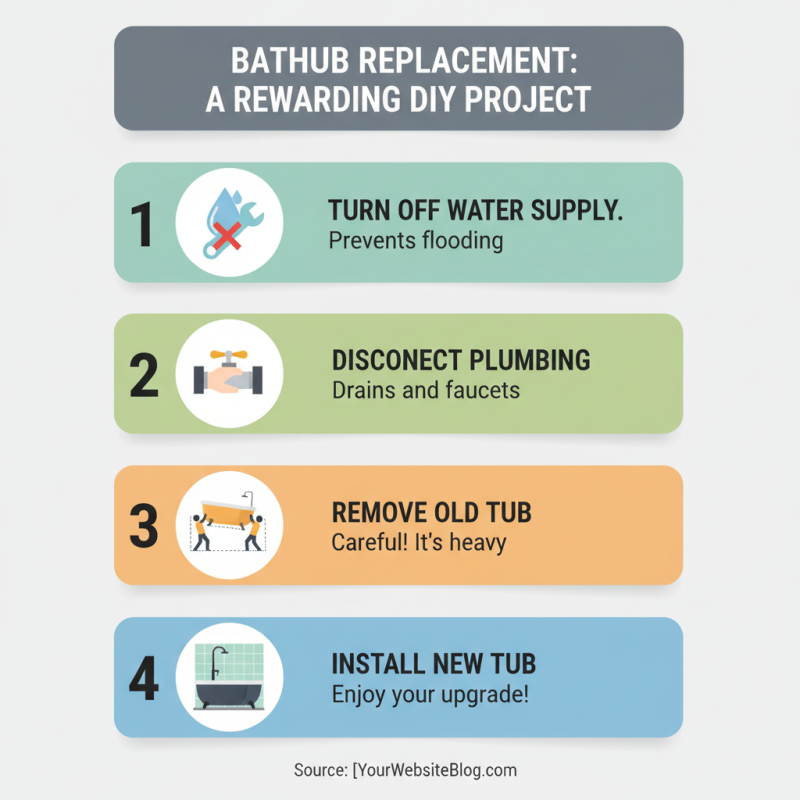
Replacing a bathtub can be a rewarding project. Start by turning off the water supply. This prevents any flooding while you work. Remove the old tub carefully. It’s often heavy and awkward. You may need help at this stage.

When installing your new bathtub, ensure it's level. Use a level tool for accuracy. Adjust the base as needed. This step is crucial to prevent future leaks. Consider using a waterproof sealant on the edges. It keeps water from seeping into your walls.

After installation, take your time to clean up. Dust and debris can linger. Also, allow sealants to cure properly before using the tub. Patience is key here. Check your work for any leaks. You don’t want surprises later. Reflect on what went well and what could be better next time.

Common Challenges and Solutions in Bathtub Replacement Projects

Top Tips for a Successful Bathtub Replacement Project?

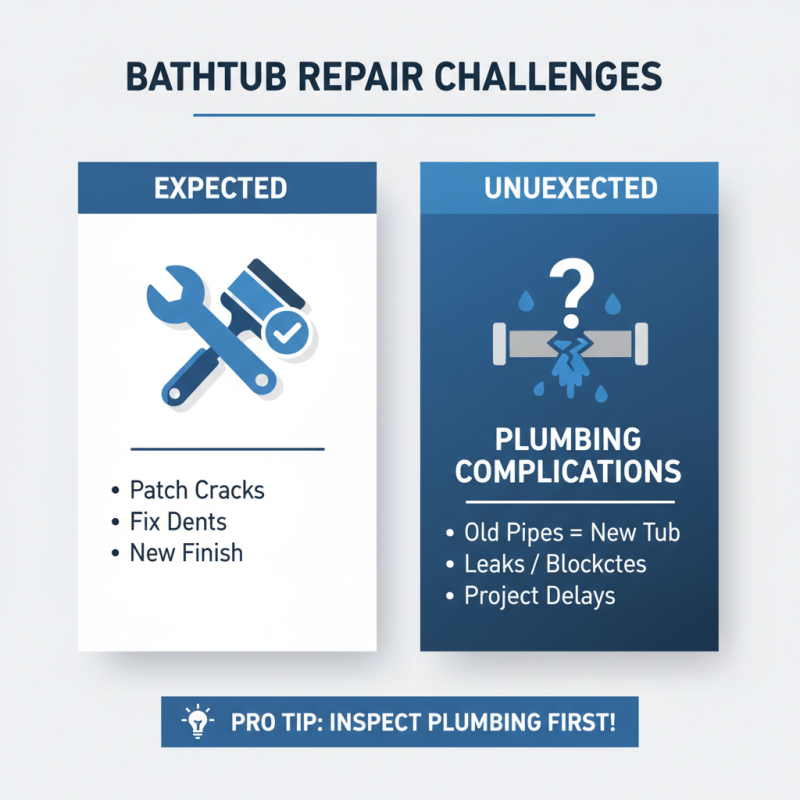
Replacing a bathtub can seem straightforward, but it often comes with unexpected challenges. One common issue is plumbing complications. Old pipes may not fit with newer models. You might find leaks or blockages when you start working. This can be frustrating and may delay the project. Inspecting the plumbing before starting is crucial. You’ll save time and effort in the long run.

Another frequent problem is dealing with the surrounding area. Walls and floors may need repairs or modifications. Tile damage or warped flooring are common woes. Removing an old tub can also affect adjacent surfaces. It’s essential to prepare for this. Have extra materials on hand in case you need to make adjustments. Planning for mishaps can ease your stress during the project.

Lastly, be ready for the unexpected. Every home has its quirks. You might face challenges that weren’t on your radar. The installation process may require more patience than anticipated. Taking breaks can help you gain a fresh perspective. Reflecting on what’s working and what’s not is essential. Embrace the learning experience, even when things don’t go as planned.