Skip to content

Reviews

10 Essential Tips for Choosing the Perfect Step in Tub for Your Bathroom

Choosing the right step in tub can transform your bathroom and enhance your comfort. According to Bob Vila, a leading expert in home improvement, "A well-chosen step in tub can improve safety and style in any bathroom." With so many options available, making this decision can be overwhelming.

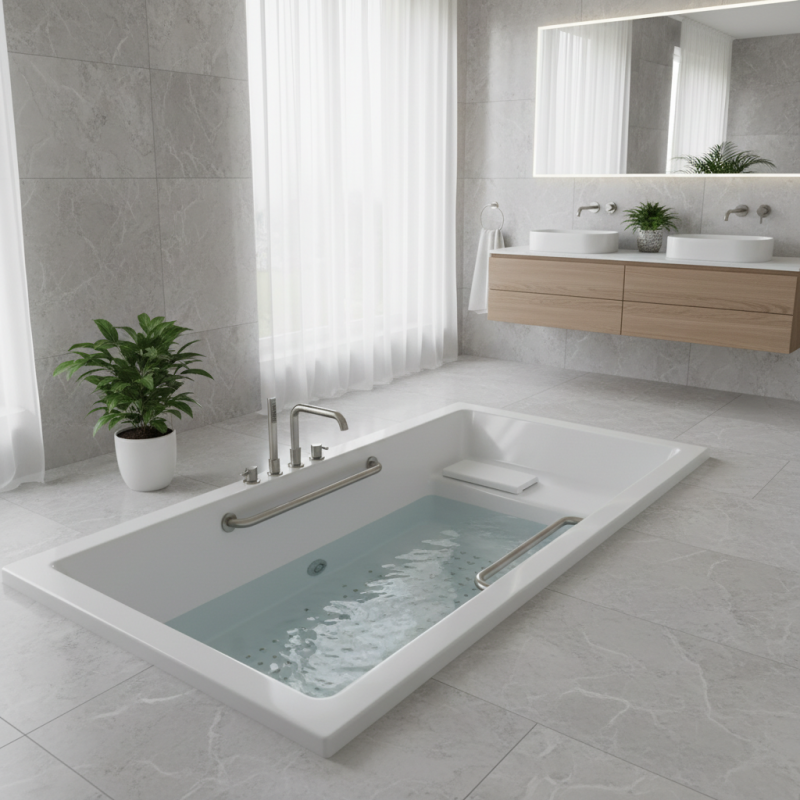
Consider your needs and space. You might want a model that offers easy access, especially for seniors or those with mobility challenges. Look for features like built-in grab bars and non-slip surfaces. Installation can be tricky; ensure it fits well with your plumbing.

While aesthetics matter, function is key. You may find a beautiful tub that lacks practicality. Reflect on your daily routine and how a step in tub will fit into it. Every choice has a lasting impact on your home.
10 Essential Tips for Choosing the Perfect Step in Tub for Your Bathroom

Factors to Consider When Selecting a Step in Tub for Your Bathroom

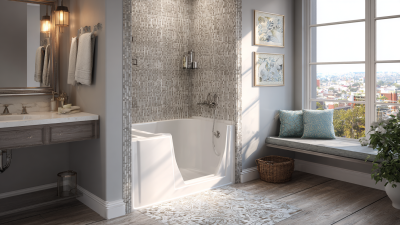
Choosing the right step-in tub for your bathroom requires careful thought. One key factor is accessibility. The height of the tub's entry should match your needs. If the step is too high or too low, it can pose a challenge. An ideal design will allow for easy entry and exit without risking slips or falls.

Consider the size of your bathroom before making a decision. A large tub might look appealing, but what about space? Limited space can make movement difficult. You also need to think about installation. Some tubs require professional setup, which can add to costs. Measure your bathroom accurately to avoid regrets.

Materials matter too. Fiberglass is lightweight and easy to maintain, but may not feel as sturdy as acrylic. Texture is important; a slippery surface can lead to accidents. Lastly, aesthetic appeal can affect your mood. A tub that matches your bathroom’s style may enhance your experience. It's worth considering all these details to make a choice that feels just right.
Assessing Space Requirements for Your Step in Tub Installation

10 Essential Tips for Choosing the Perfect Step in Tub for Your Bathroom

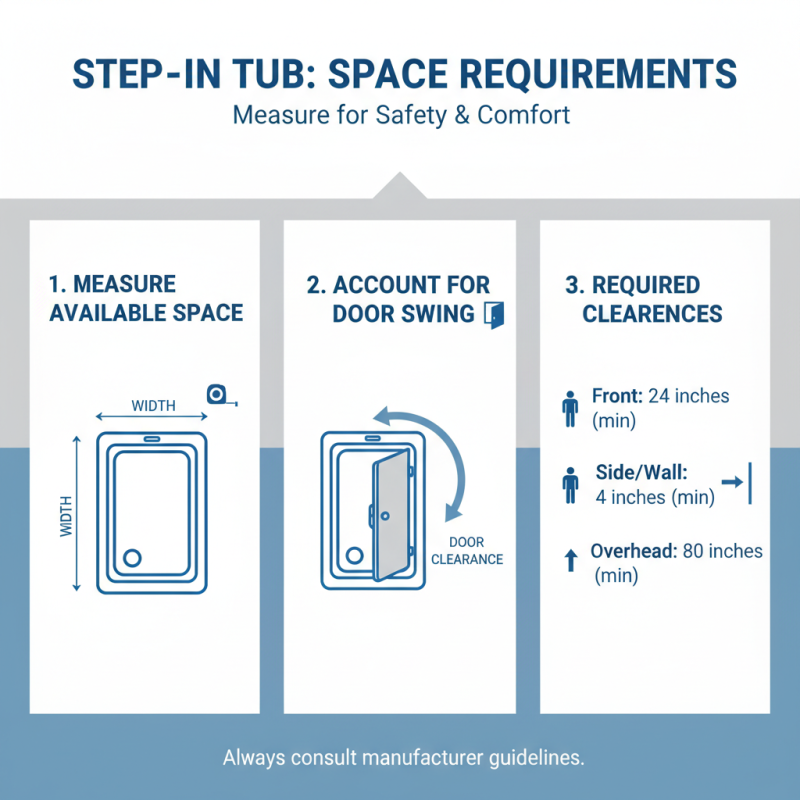
Assessing space requirements for your step-in tub installation is crucial. A correctly sized tub enhances safety and comfort. Start by measuring the available space in your bathroom. Note both the width and depth. Many tubs require extra room for opening doors, so account for that as well.

Tip: Consider the layout of your bathroom. A tub should fit well without crowding other fixtures, like sinks and toilets. Think about how you move in that space. Narrow pathways can make access challenging.

Another factor is the door swing. The tub’s door must open easily. You don’t want it to hit your toilet or vanity. If the space feels tight, a sliding door option may be wise.

Lastly, think about installation. An awkwardly placed tub can lead to plumbing issues. Analyze your floor plan carefully. Failing to do so could result in extra costs later. Make a plan and stick to it.

Evaluating Safety Features for Optimal Accessibility and Protection

Choosing the right step-in tub involves a focus on safety features. Over 75% of bathroom-related injuries occur during bathing, indicating a serious need for enhanced safety measures. Look for tubs with slip-resistant surfaces. This simple feature can significantly reduce the risk of falls.

Consider the height of the step-in threshold. A lower threshold can help users enter and exit with ease. Industry studies suggest that a threshold height of 5 inches or less is optimal for accessibility. Grab bars should be installed securely. These elements provide support while entering or exiting the tub, especially for those with mobility challenges.

A faucet with easy-to-use controls is vital too. Complicated systems can be a barrier. Aim for levers rather than knobs. The water temperature should be easily adjustable and indicate when it’s safe. More than 50% of users prefer a thermostat that prevents scalding.

Reflect on the layout of your bathroom. Is the tub accessible from all angles? A well-planned space can enhance safety and usability. Consider using additional safety accessories, like non-slip mats and shower chairs. These small details can lead to a dramatic improvement in safety.

10 Essential Tips for Choosing the Perfect Step in Tub for Your Bathroom

Tip Safety Feature Accessibility Price Range
1. Check for Non-slip Surface Yes High $300 - $800
2. Look for Grab Bars Yes High $500 - $1000
3. Evaluate Height of the Tub N/A Moderate $400 - $900
4. Assess Door Design Yes High $600 - $1200
5. Check for Water Depth N/A Moderate $300 - $800
6. Investigate Tub Material N/A Low $200 - $700
7. Look for Safety Locks Yes High $500 - $1100
8. Ensure Easy Entry and Exit N/A High $400 - $900
9. Prioritize Water Temperature Controls Yes Moderate $500 - $1000
10. Read Customer Reviews N/A N/A Free

Comparing Materials and Durability for Long-lasting Use

When selecting a step-in tub, materials play a crucial role in durability. Many options are available, such as acrylic, fiberglass, and cast iron. Acrylic is lightweight and offers great insulation. However, it can scratch easily, so be cautious. Fiberglass is cost-effective, but it often shows wear over time. It might fade or discolor. Cast iron is extremely tough but also heavy, which can complicate installation.

Considering the climate in your area is important. In humid regions, some materials may not hold up well. Pay attention to finishes, too. Non-slip surfaces enhance safety but can wear down with time. You may need to replace them occasionally. It’s worth investing in a tub that balances style and function. Take the time to research, as the right choice will impact your bathroom for years. Make a decision that echoes in longevity.

Understanding Budget and Cost Factors for Your Step in Tub Purchase

When considering a step-in tub, budget is a critical factor. In a recent industry report, the average cost of a step-in tub ranges from $2,000 to $5,000. Factors such as installation, features, and materials can quickly increase this price. Understanding these elements helps you set realistic expectations.

Many people overlook additional costs. Installation might require plumbing updates, which adds to total expenses. Research local labor rates to avoid surprises. Allocating a reserve budget of about 15% for unforeseen expenses is wise. This helps accommodate any necessary adjustments.

Tip: Always compare multiple quotes before making a decision. Estimates can vary significantly, so getting at least three is advisable. Look for reputable contractors who specialize in tub installations. They can provide insights into hidden costs.

Also, pay attention to the tub's features. Safety and comfort should align with your budget. Sometimes, less expensive models might lack essential safety features like grab bars or slip-resistant surfaces. Invest in these components to ensure long-term satisfaction and prevent accidents.

Ultimately, careful budgeting can lead to a wise choice that fits your bathroom and enhances your wellness routine. Balancing quality and affordability is key. You might need to sacrifice certain features to stay within budget, but prioritize safety and functionality.