Serving Minnesota & Iowa for over 25 years
Choosing the right walk in bathtub can be a daunting task. With numerous options, it's essential to find one that fits your needs. Expert John D. McKenzie, a leader in bathroom design, once said, "The right walk in bathtub can transform safety and comfort in the home." This highlights its importance for many households.
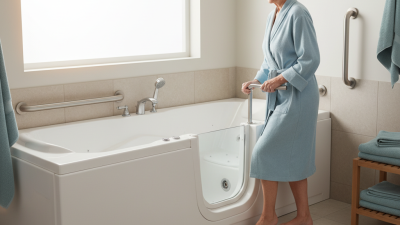
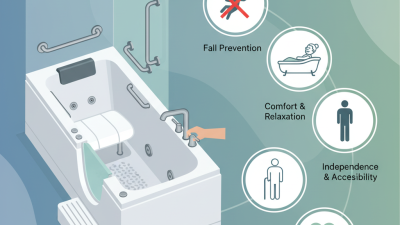
When selecting a walk in bathtub, consider size and accessibility. Some bathtubs are designed for smaller spaces, while others cater to those seeking a luxurious experience. It's not just about fitting in the space; it's about enhancing safety. Many designs feature low thresholds and grab bars, making it easier to enter and exit.
Yet, not all models work for everyone. Some may find certain features unnecessary or complicated. Reflect on your family's specific needs. Do you require more support? Or perhaps a built-in seat? Not asking these questions can lead to dissatisfaction later. In the end, finding the right walk in bathtub is not only a practical choice but also a step towards greater independence in your home.
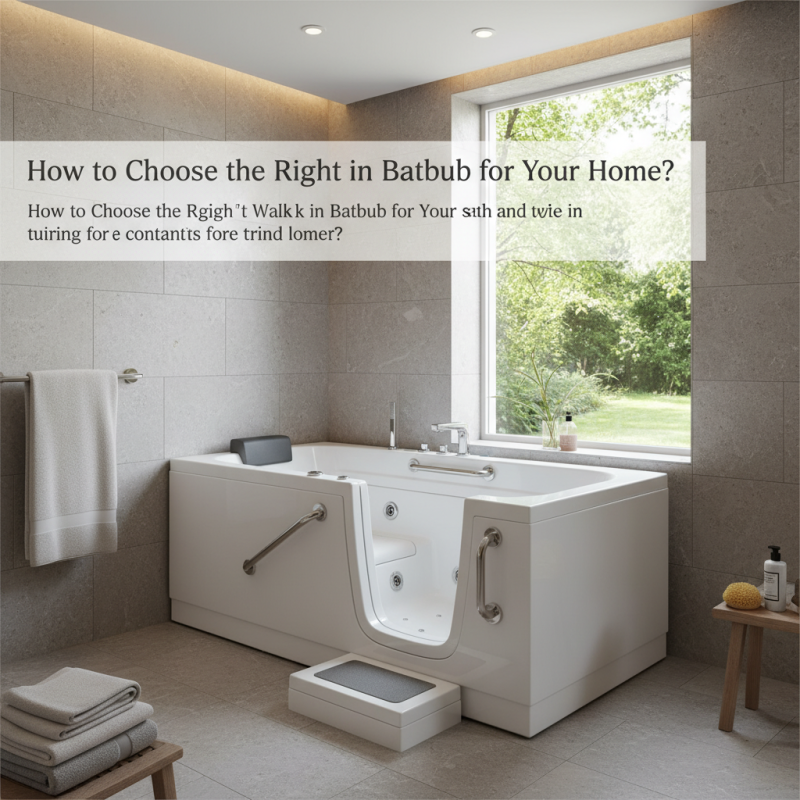
When choosing a walk-in bathtub, understanding the types available is essential. There are several designs tailored to meet diverse needs. One popular choice is the low-threshold model. This design features a small step, making entry easier for those with mobility challenges. According to a report by the National Aging in Place Council, accessibility is crucial for senior safety in the bathroom.
Another option is the soaking tub, which allows for deep water immersion. These tubs are beneficial for those seeking therapeutic benefits. Studies show that warm water can alleviate joint pain and provide relaxation. However, they do require more water usage, which might not be ideal for every household.
Lastly, consider a walk-in tub with hydrotherapy features. These models include jets that can provide a soothing massage. While they offer luxury and comfort, installation can be complicated. Homeowners should be prepared for additional plumbing costs. The complexity might lead to installation delays, which can be frustrating. Balancing comfort, cost, and ease of use is key when selecting the right walk-in bathtub for your home.
When choosing a walk-in bathtub, several key features are essential for a comfortable and safe bathing experience. First, consider the size of the tub. A standard walk-in bathtub can be anywhere from 54 to 60 inches long. This dimension is critical to ensure it fits your space without compromising comfort. Next, look for non-slip flooring. According to industry reports, 70% of accidents in the bathroom involve slips and falls. Non-slip surfaces can significantly reduce this risk.
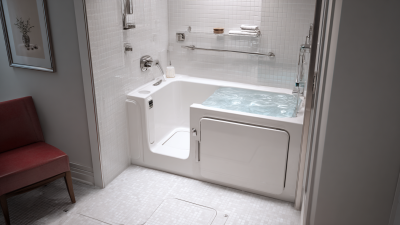
Another important feature is the entryway. Most walk-in bathtubs have a low threshold entry to facilitate easy access, particularly for seniors or those with mobility issues. A tub with a door that seals properly prevents leaks while bathing. The American Physical Therapy Association suggests that a safe bathing environment can enhance relaxation and overall wellbeing.
Tips: Test potential models in-store. Sit inside to check the comfort level. Assess the grab bars’ positioning; they should be easy to reach. Always consider the tub’s weight limit, which generally varies between 300 to 500 pounds. Make sure the design complements your home’s style. This adds visual appeal but remains crucial for functionality.
When considering a walk-in bathtub, the space in your bathroom is crucial. Measure your bathroom's length and width accurately. Note where plumbing fixtures are located. You'll need enough room for the tub, as well as comfortable access. A cramped space may lead to awkward installations or even hazards.
Consider the layout and doorways. If the bathroom is small, a corner tub might be the best option. Take note of the door swing, too. A door that opens into the tub area can create challenges. Lighting matters as well. Adequate lighting helps you and your contractor visualize the space better.
Be aware of ventilation issues. A walk-in tub requires good airflow to prevent mold. Check for windows or exhaust fans in your bathroom layout. If the space feels tight, think creatively. Perhaps rearranging fixtures can open it up. In some cases, removing a non-load-bearing wall might be possible. Reflect on how you want the space to feel. Comfort and safety should be your main goals.
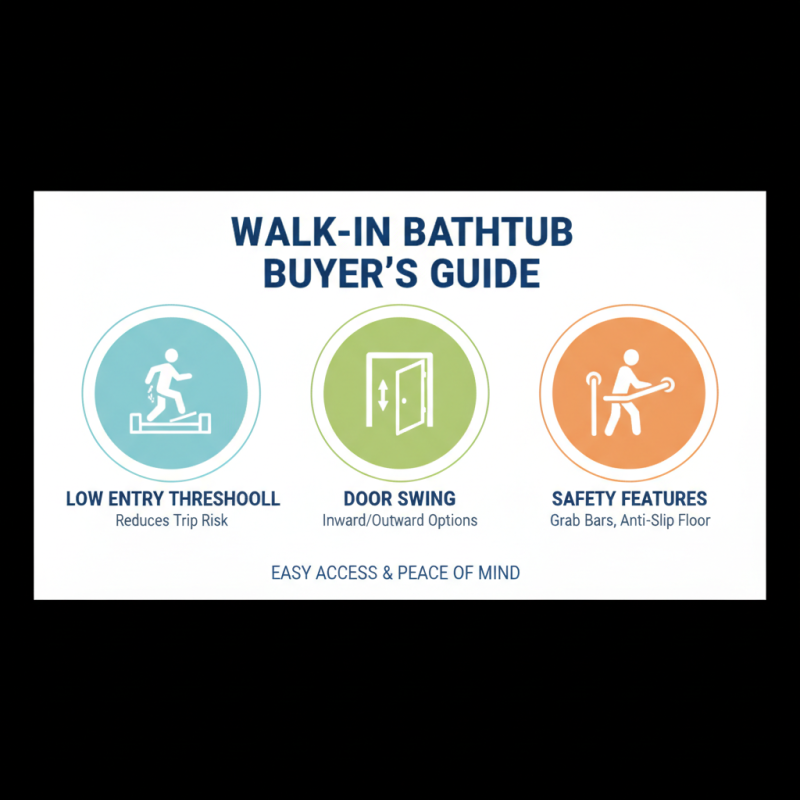
Choosing the right walk-in bathtub involves careful consideration, especially regarding safety features. Different models offer varying levels of accessibility. A low entry threshold can significantly reduce the risk of tripping. Ensure the tub’s door opens inward or outward as needed, allowing easy access.
Grab bars are another essential feature. They provide stability while entering or exiting the tub. Consider the positioning of these bars, as they should align with your natural movements. Non-slip surfaces are crucial too. They help prevent slips and falls, particularly when the tub is wet. The texture should feel secure underfoot.
Additionally, evaluate the tub's depth. A deeper tub allows for a complete soak, yet it may pose a challenge when getting in or out. It’s important to think about personal mobility. After all, a beautiful tub won’t help if it’s not practical for daily use. Every detail counts and should reflect your safety needs.
When budgeting for a walk-in bathtub, understand the full costs involved. The average price for a walk-in tub ranges from $3,000 to $7,000. Installation can add another $1,000 to $2,000. It's essential to factor in plumbing adjustments and potential remodeling costs. These can vary widely based on the existing bathroom layout.
Consider additional features that enhance safety and comfort. Grab bars, non-slip surfaces, and heated seats may raise costs but improve accessibility. A survey revealed that 40% of buyers prioritize safety features when selecting tubs. While investing in a premium option can seem daunting, the long-term benefits often outweigh initial prices.
Reflect on your specific needs as you plan your budget. If mobility issues are a concern, a model with a low entry threshold may be best, despite higher costs. Remember, quality matters. A cheaper tub may lead to frequent repairs. Balancing immediate budget constraints with long-term usability will ensure the best choice for your home.