Skip to content

Reviews

How to Choose the Best Walk in Bath Tubs for Your Home?

Choosing the right walk in bath tubs for your home can feel overwhelming. The market offers various models with unique features. Each option aims to add safety and convenience. Understanding your needs is essential.

Consider space, water capacity, and design compatibility. These factors influence functionality in your bathroom. Walk in bath tubs can greatly assist seniors or those with mobility issues. Yet, not every tub suits every home.

Examine different materials and styles. Some tubs provide extra features like heated seats or grab bars. While these items sound appealing, they may not always be necessary. Assess your lifestyle and priorities carefully. Reflect on what will truly enhance your bath experience.
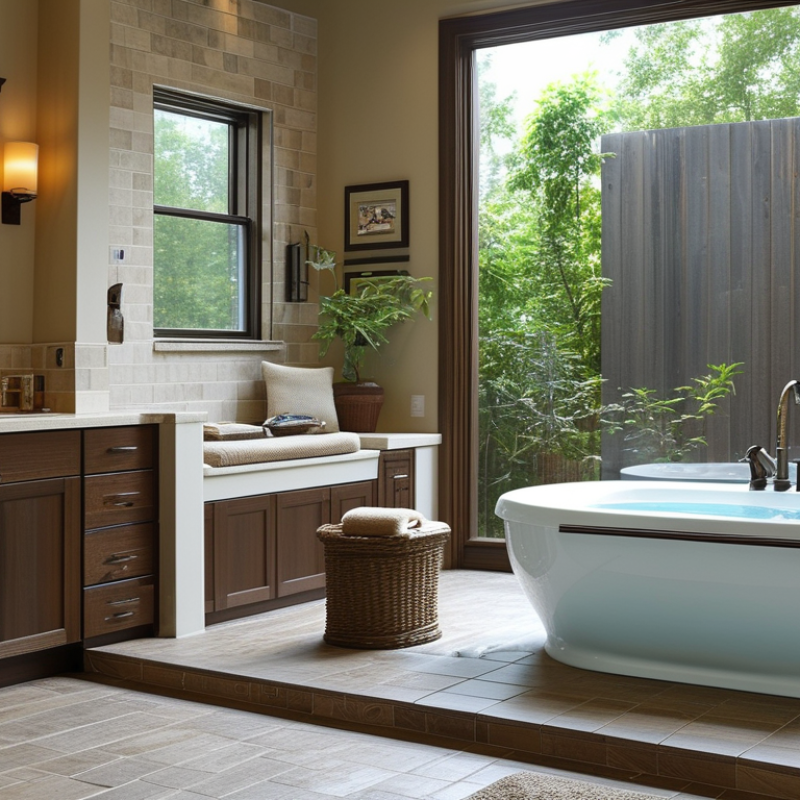
How to Choose the Best Walk in Bath Tubs for Your Home?

Understanding the Benefits of Walk-in Bathtubs for Safety and Comfort

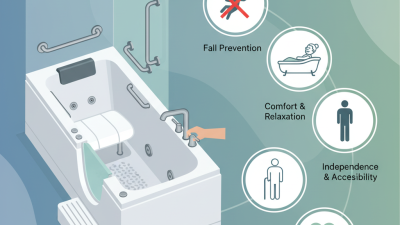
Walk-in bathtubs offer significant advantages for safety and comfort in your home. They are designed to provide an easy entry and exit, making them ideal for seniors and those with mobility issues. The low threshold helps eliminate the risk of falls. Non-slip surfaces add another layer of safety, ensuring a secure footing while bathing. These features collectively create a more accessible and enjoyable bathing experience.

Ensuring proper installation is crucial. Professional installation guarantees that the tub functions as intended. A poorly installed tub may lead to leaks or safety hazards. Always look for certified installers who understand the specifications of walk-in bathtubs. Moreover, consider the tub's size and your bathroom's layout. A spacious design enhances comfort but may not fit in smaller bathrooms.

Think about additional features that improve usability. Integrated grab bars can provide support while entering and exiting. Heated surfaces can make baths more relaxing, especially in colder months. However, installing too many features can complicate maintenance. Prioritize what truly enhances your bathing experience. Reflect on your needs to choose wisely.

Identifying Key Features to Look for in a Walk-in Bathtub

When selecting a walk-in bathtub, key features are crucial. Safety is paramount. Look for slip-resistant surfaces and grab bars. Studies show that over 230,000 elderly adults visit emergency rooms due to falls in bathrooms annually. Ensuring secure entry and exit can prevent such incidents.

Water capacity matters as well. A standard walk-in bathtub can hold around 50-60 gallons. This is essential for a comfortable soak. Some models offer heated water options, which can enhance relaxation. According to the National Association of Home Builders, most buyers seek features that promote comfort and wellness.

Accessibility is another consideration. Door configurations vary. Some tubs have outward-opening doors while others open inward. This choice affects space and ease of use. Also, consider the height of the tub. Low-entry thresholds are preferable for those with mobility challenges. Ergonomic designs often lead to a more enjoyable bathing experience, yet preferences can differ, highlighting the need for careful assessment of personal needs.

Evaluating Different Styles and Designs of Walk-in Bathtubs

Choosing the right walk-in bathtub can be daunting. Focus on style and design that fits your home. There are many options available, from traditional to contemporary. Think about your bathroom's overall aesthetic when making this choice.

Consider safety features, like grab bars and slip-resistant floors. These are crucial for anyone with mobility concerns. A low threshold entry can make a big difference. You might also want to think about built-in seating for added comfort.

When evaluating different designs, think about the space you have. Larger tubs may offer more comfort, but they require more room. Compact models can be just as functional while saving space. Don't forget to consider color and finish. A cohesive look will make your bathroom feel inviting.

How to Choose the Best Walk in Bath Tubs for Your Home? - Evaluating Different Styles and Designs of Walk-in Bathtubs

Style Dimensions (L x W x H) Safety Features Material Price Range
Traditional 60" x 30" x 38" Grab bars, Non-slip floor Acrylic $2,000 - $3,500
Contemporary 65" x 32" x 40" Low-entry threshold, Anti-slip surface Fiberglass $2,500 - $4,000
Wheelchair Accessible 70" x 36" x 40" Wide door, Comfort seat Acrylic $3,000 - $5,000
Soaking Tub 59" x 28" x 34" Slip-resistant bottom, Handheld shower Porcelain on Steel $1,500 - $2,800
Walk-in Shower/Bath Combo 72" x 36" x 38" Handrails, Foldable seat Acrylic $3,500 - $6,000

Assessing Your Budget: Price Ranges for Walk-in Bathtubs

When considering a walk-in bathtub, budget is a key factor. Prices can vary significantly based on features and materials. Basic models may start around $2,000, which often includes standard safety features. More advanced options with hydrotherapy or customization can reach $8,000 or higher. These higher-end tubs offer luxury and added comfort.

Before committing, assess your financial situation. It’s essential to factor in not just the tub cost but also installation. Professional installation can add anywhere from $1,000 to $3,000. Sometimes homeowners overlook these additional expenses, which can strain budgets. Spend time comparing different options to find the best fit for your needs and finances.

While it’s tempting to go for the cheapest option, consider long-term value. Cheaper models may lack durability and important features. Investing in a quality tub could mean fewer repairs down the line. Reflect on your priorities: safety, comfort, and budget. Each choice shapes your bathing experience. Balancing these aspects is crucial for making a wise decision.

Installation Considerations and Professional Help for Walk-in Bathtubs

When considering a walk-in bathtub, installation is a crucial factor. The space available in your bathroom will influence the tub size and type. Ensure the bathroom has adequate plumbing and electrical systems. Older homes may need updates to accommodate the requirements of modern walk-in tubs. This helps in preventing future issues with water supply or drainage.

Professional installation is highly recommended. Skilled installers understand the nuances of fitting walk-in tubs securely. They can assess your bathroom layout and recommend necessary modifications. Hiring professionals ensures adherence to local building codes and safety standards. This step is essential since improper installation could lead to leaks or safety hazards.

Some homeowners might attempt a DIY installation to save money. However, this can often lead to mistakes. Miscalculating space or failing to seal joints properly can create problems. Reflecting on previous installations will show the value of professional expertise. Investing in trained help pays off in the long run.