2025 How to Choose the Perfect Bath Tub: Top Trends and Expert Tips for Maximum Comfort
As we approach 2025, the bath tub industry is witnessing an evolution in design and functionality, making it an exciting time for homeowners and interior designers alike. According to a recent report by the National Kitchen and Bath Association (NKBA), the bath tub market is projected to grow by 15% over the next five years, driven by consumer demand for luxury and comfort in home bathrooms. This growth reflects a broader trend where individuals prioritize personal wellness spaces within their homes, with the bath tub becoming a key component in creating a serene retreat.
Industry expert Dr. Emily Carter, a leading voice in bathroom design innovation, emphasizes the significance of selecting the right bath tub for both aesthetics and well-being. "A well-chosen bath tub not only enhances the beauty of a bathroom but also serves as a vital element in promoting relaxation and stress relief," she states. As homeowners increasingly seek to blend functionality with a spa-like experience, understanding the top trends and expert tips for choosing the perfect bath tub has never been more essential. In this article, we will explore the latest styles, materials, and features that cater to the diverse needs of modern consumers, ensuring maximum comfort and satisfaction.
Exploring Modern Materials: What Makes a Comfortable Bath Tub in 2025
As we approach 2025, the landscape of bathtub design is evolving, driven by innovative materials that enhance both comfort and aesthetics. Modern bathtubs are increasingly constructed from materials such as acrylic, which is lightweight and retains heat longer, providing a more enjoyable soaking experience. Another emerging trend is the use of solid surface materials, which can be molded into asymmetrical shapes and soft curves, allowing for personalized designs that cater to individual comfort preferences.
Furthermore, the integration of advanced technology into bathtub materials is shaping how we experience relaxation. For example, some contemporary designs feature built-in heating elements and hydrotherapy jets, transforming a simple bath into a luxurious spa experience. The choice of materials also impacts maintenance; non-porous options like quartz or stone composites are gaining popularity for their easy cleaning and resistance to stains, promoting both hygiene and longevity. Choosing a bathtub in 2025 means considering how these modern materials not only cater to aesthetic desires but also enhance the overall comfort and wellness of the bathing experience.
Design Trends: How Aesthetics Influence Your Choice of Bath Tub
When selecting the perfect bath tub, aesthetics play a crucial role in the overall design scheme of your bathroom. According to a 2022 report from the National Kitchen and Bath Association (NKBA), 68% of homeowners consider the visual impact of their fixtures as a top priority. With this in mind, trends such as freestanding tubs and minimalist designs are gaining traction.
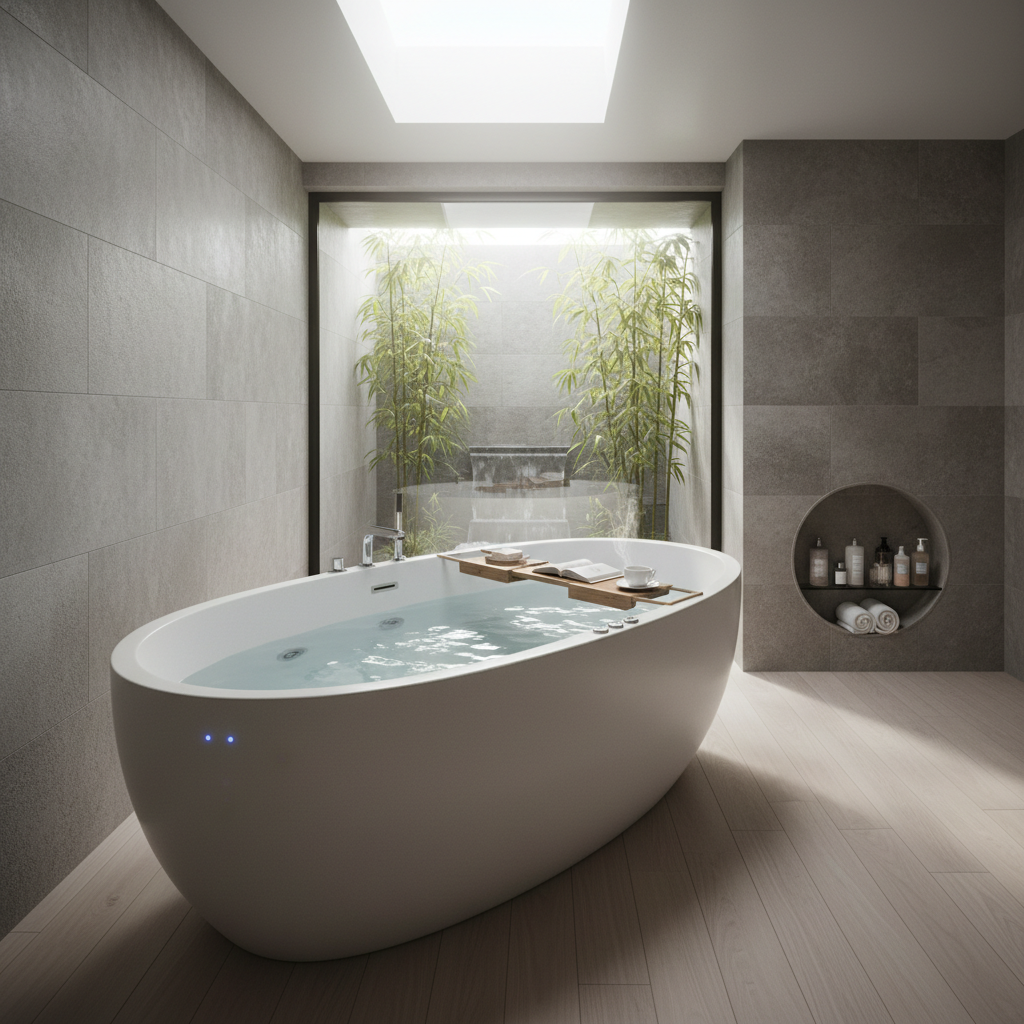
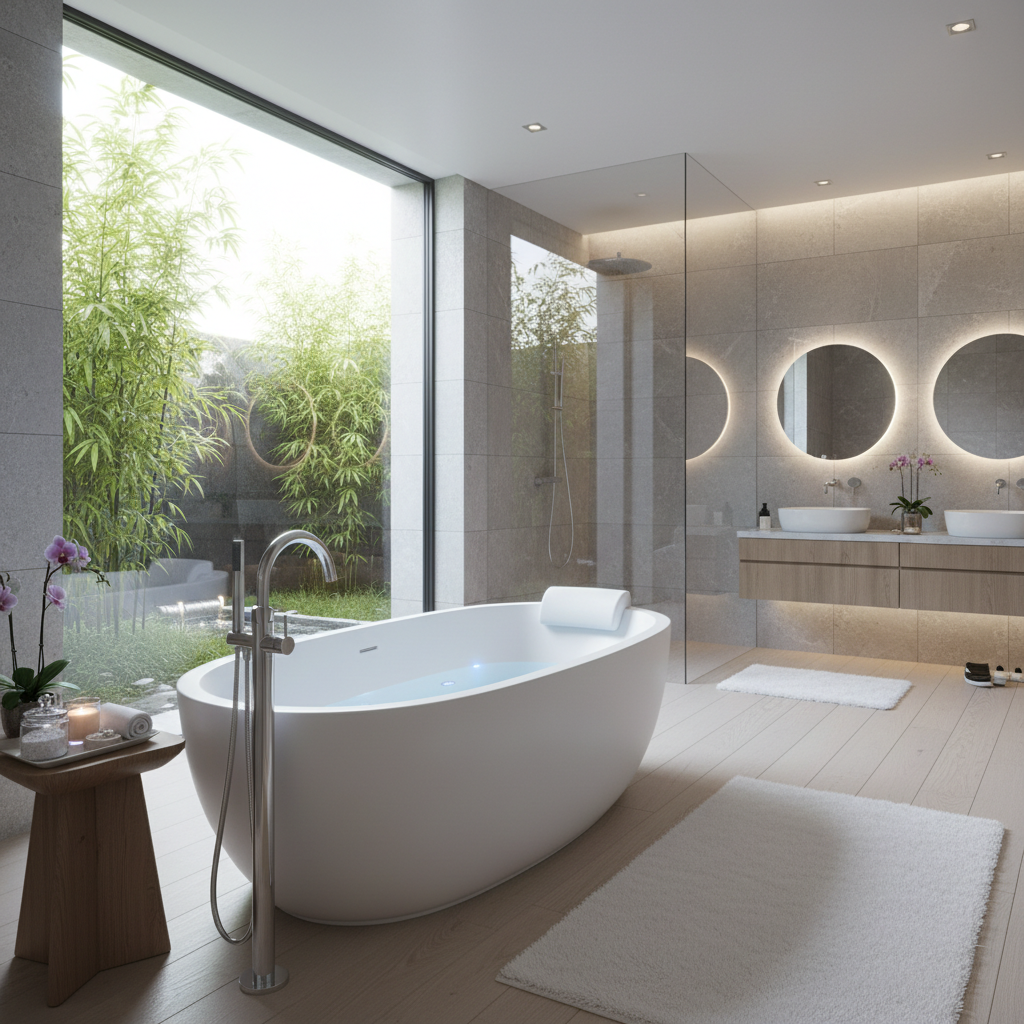
Freestanding tubs offer a sculptural element that creates a stunning focal point, aligning with the growing preference for open and airy spaces in modern homes.
Furthermore, color and material choices significantly influence the aesthetic appeal of bath tubs. Data from a recent survey by the Home Improvement Research Institute indicates that 45% of consumers are opting for spa-like experiences at home, influencing their preferences towards natural materials like stone and wood finishes. These elements not only enhance the beauty of the tub but also contribute to a serene and relaxing atmosphere. As homeowners increasingly gravitate towards creating a spa-like retreat, selecting a bath tub that complements their aesthetic vision remains an essential aspect of the design process.
Ergonomic Features: The Key to Maximum Comfort in Bath Tub Selection
When selecting the perfect bath tub, ergonomic features should be a primary consideration for ensuring maximum comfort and relaxation. According to the National Kitchen & Bath Association (NKBA), an ergonomic design can enhance the overall bathing experience by accommodating the body’s natural contours and reducing strain. Features such as sloped backs, armrests, and strategically placed grab bars not only promote comfort but also enhance safety. An ergonomic tub design can provide optimal support for the neck and spine, helping to alleviate tension and stress during baths, which is especially important for long soaks.
Recent industry studies reveal that over 70% of consumers prioritize comfort when purchasing bathtubs, and an ergonomic shape significantly influences this aspect. Tubs that are deeper or wider than traditional models allow for a more immersive experience, enabling users to fully relax. Additionally, features like adjustable headrests and built-in footrests cater to individual preferences, further enhancing the comfort level. With the market projected to grow by 5% between 2023 and 2025, ensuring your bath tub selection meets these ergonomic standards is increasingly vital for both personal enjoyment and overall well-being.
Customization Options: Tailoring Your Bath Tub for Personal Needs
When it comes to selecting the ideal bathtub, customization options play a crucial role in creating a personal oasis in your bathroom.
From size and shape to material and features, tailoring your bathtub to fit your unique needs enhances both comfort and functionality.
Consider selecting a soaking bathtub for a relaxing experience or a jetted tub for therapeutic benefits.
Tip: Always measure your space accurately before choosing a tub to ensure the perfect fit.
Think about your bathing habits—do you prefer long soaks with candles or quick showers? This can guide you in choosing a tub with the right depth and width.
Additionally, don’t overlook accessories that can enhance your bathing experience.
Options like built-in armrests, slip-resistant surfaces, or even customizable lighting can transform your bathtub into a personalized retreat.
Tip: Research materials like acrylic or porcelain to see which best suits your aesthetic and maintenance preferences.
Remember, a well-chosen bathtub can significantly elevate your daily routine, making it not just a necessity, but a delight.
Eco-Friendly Choices: Sustainable Bath Tub Solutions for the Modern Home
When selecting a bathtub for a modern home, eco-friendly options are increasingly gaining popularity due to growing environmental awareness. Homeowners are now more inclined to choose bathtubs made from sustainable materials such as bamboo, reclaimed wood, or recycled acrylic. These materials not only minimize environmental impact but also offer unique aesthetics that can enhance the bathroom's ambiance.
For instance, a bathtub crafted from reclaimed wood can bring a rustic charm while promoting sustainability.
In addition to materials, water-saving technologies are becoming a standard feature in contemporary bathtubs. Many manufacturers are now designing tubs equipped with water-efficient systems that reduce water consumption without compromising on the bathing experience.
Features like low-flow faucets and innovative drainage systems exemplify this trend. By opting for these eco-friendly solutions, homeowners can create a serene, stylish bathing space that aligns with sustainable living practices, all while enjoying the comfort and luxury of a high-quality bathtub.
 Skip to content