Serving Minnesota & Iowa for over 25 years
Why Choose a Mild Hyperbaric Chamber?
A Mild Hyperbaric Chamber offers a lower-pressure environment than medical hyperbaric oxygen therapy. It is designed for people seeking a supervised wellness experience, not an emergency treatment. Inside, users may notice gentle ear pressure, a quiet enclosed space, and oxygen-rich air, depending on the equipment. The experience can feel calming, though individual responses vary.
Many people choose a Mild Hyperbaric Chamber because the sessions are usually shorter, less intimidating, and easier to fit into a routine. Some wellness centers use them alongside relaxation, recovery, or fitness programs. However, these uses should not be confused with proven medical outcomes. Research on mild hyperbaric therapy remains developing, and claims about healing, anti-aging, or disease treatment require careful evaluation.
Safety deserves attention. A qualified provider should explain screening requirements, pressure changes, cleaning procedures, and emergency steps. People with certain ear, lung, heart, or medication-related concerns may need medical advice before using a chamber. Never ignore pain, breathing difficulty, dizziness, or unusual discomfort during a session.
The choice should be practical, not promotional. Ask who supervises the chamber and what evidence supports each claim. Check whether the equipment is properly maintained and whether staff record your response. Marketing can sound convincing.
It is also fair to admit uncertainty. A Mild Hyperbaric Chamber may support relaxation for some users, but it is not a guaranteed solution. Thoughtful expectations make the experience safer and more credible.
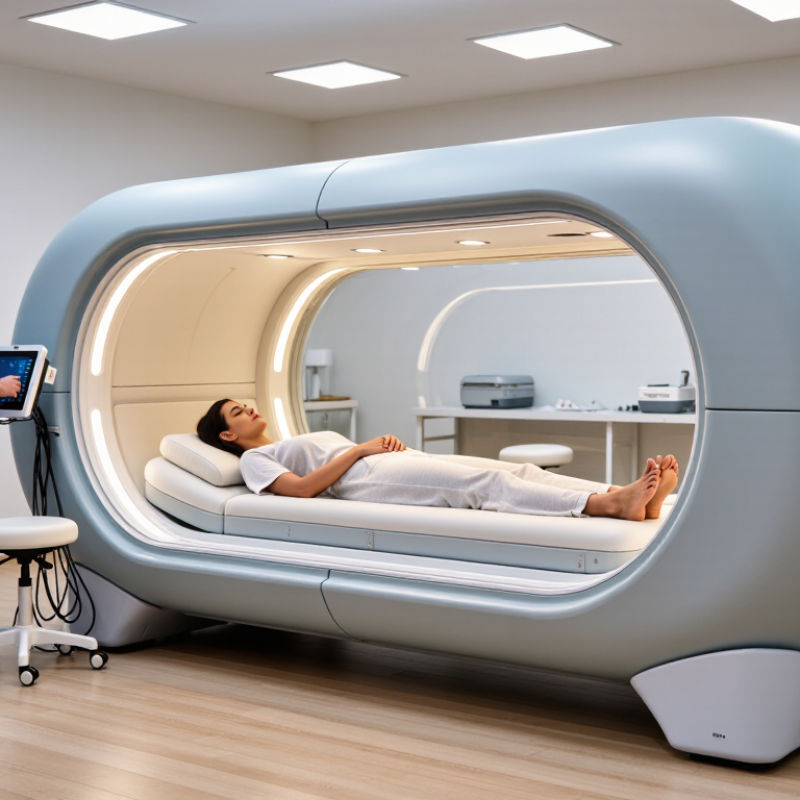
Mild hyperbaric therapy uses pressure above normal atmospheric pressure, commonly 1.3–1.5 ATA. ATA means atmospheres absolute, including the pressure surrounding us. At 1.3 ATA, the pressure increase is modest. Some people describe a gentle ear-popping sensation during compression. The chamber may use room air or supplemental oxygen, depending on its design and clinical protocol. That difference matters when comparing treatment settings.
Typical sessions last about 30–60 minutes at pressure. Allow extra time for entering, compression, decompression, and basic safety checks. A trained operator should explain equalizing ear pressure before the session begins. Slow breathing and swallowing may help. Never ignore pain, dizziness, unusual shortness of breath, or anxiety. Tell the supervising professional about ear problems, lung conditions, recent procedures, or prescribed medicines.
Many users choose mild pressure because sessions can fit more easily into a daily routine. However, convenience does not prove effectiveness. Research remains mixed for several proposed wellness uses, and results may differ between individuals. A responsible provider records pressure, session length, oxygen use, and symptoms over time. Personal experience can be useful, but it is not the same as clinical evidence.
I would question any claim promising universal results. Mild hyperbaric therapy should support informed healthcare decisions, not replace diagnosis or treatment from a qualified medical professional.
At 1.5 ATA, ordinary air is compressed to one and a half times normal atmospheric pressure. Its oxygen concentration remains about 21 percent. However, inspired oxygen partial pressure rises from roughly 0.21 ATA to about 0.315 ATA, an increase of approximately 50 percent.
That change is meaningful, but it is not the same as breathing pure oxygen. Air still contains mostly nitrogen, and airway humidity slightly changes the final oxygen pressure reaching the lungs. I find this distinction easy to miss when reading simplified charts. The number describes exposure conditions, not a guaranteed biological result.
Mild pressure may feel more approachable for people who dislike high-pressure environments. Sessions can also allow normal air breathing, conversation, and careful observation.
Still, “mild” does not mean risk-free. Ear pressure, sinus discomfort, claustrophobia, and temporary vision changes can occur.
A qualified clinician should review personal medical history before use, especially with lung, ear, or pressure-related conditions. Good practice includes calibrated pressure controls, documented session times, and clear emergency procedures. Real-world experience can differ from the neat 50 percent calculation.
Why Choose a Mild Hyperbaric Chamber?
A mild hyperbaric chamber operates at lower pressure than hospital-grade systems. This can feel less intimidating for people who dislike confined medical spaces. The experience is usually quiet, gradual, and easier to fit into a home routine. Still, “mild” does not mean risk-free or suitable for everyone. Pressure changes may affect the ears, sinuses, or lungs. A qualified healthcare professional should review personal conditions and medications before use.
Home access can reduce travel time and make scheduling more flexible. Someone might read quietly while resting in the chamber, rather than spending an entire afternoon at a clinic. However, convenience can create false confidence. A home session still requires careful setup, supervision, and consistent maintenance. Follow the manufacturer’s instructions closely. Keep the area well ventilated, and remove unsafe materials before pressurization. The evidence for many wellness claims remains limited, so expectations should stay realistic. I would not treat comfort as proof of medical effectiveness.
Tips: Begin with short sessions and stop if discomfort develops. Equalize ear pressure slowly. Never ignore sharp pain, breathing difficulty, dizziness, or unusual fatigue. Keep a simple log of session time, pressure, symptoms, and recovery. That record can help a clinician evaluate whether the routine is sensible. Some days may feel beneficial. Other days may feel ordinary. That uncertainty matters.
| Evaluation Dimension | Mild Hyperbaric Chamber | Higher-Pressure Clinical Chamber | Practical Consideration |
|---|---|---|---|
| Typical operating pressure | Often about 1.3–1.5 ATA, depending on the device and local requirements. | Commonly about 2.0–3.0 ATA in hospital or specialized clinical settings. | Lower pressure may feel less intense, but pressure level does not by itself determine medical suitability. |
| Pressure equalization | Users still need to equalize ear pressure during compression and decompression. | Equalization is also required and may feel more demanding because of the higher pressure change. | People with ear congestion, recent ear surgery, or difficulty equalizing should seek professional advice first. |
| Typical session duration | Many sessions last approximately 60–90 minutes, although protocols vary. | Many clinical protocols last approximately 90–120 minutes, sometimes with scheduled air breaks. | A shorter or simpler routine may be easier to fit into a home schedule, subject to professional guidance. |
| Breathing gas | Many mild systems use pressurized ambient air; some configurations may include supplemental oxygen. | Clinical systems may deliver oxygen through a mask, hood, or specialized breathing system under supervision. | Do not assume that every mild chamber provides the same oxygen concentration or therapeutic exposure. |
| Home-use potential | Some soft-sided systems are designed for residential use when permitted by local regulations and manufacturer instructions. | High-pressure clinical chambers generally require a dedicated facility, trained staff, and medical monitoring. | Home use can reduce travel time, but it requires adequate space, ventilation, maintenance, supervision, and emergency planning. |
| Portability and setup | Soft chambers are generally lighter and easier to install than rigid clinical chambers, but they still require a stable, suitable area. | Rigid chambers are larger, heavier, and normally installed permanently or semi-permanently. | Check room dimensions, electrical requirements, access routes, and the device’s minimum clearance recommendations. |
| Comfort and environment | The lower-pressure environment may be perceived as less restrictive, although the chamber can still feel enclosed or warm. | Clinical chambers may provide more room or monitoring options, but the treatment environment can be more formal and restrictive. | Look for interior dimensions, visibility, communication features, ventilation, lighting, and the ability to stop a session safely. |
| Monitoring and supervision | Home systems may offer less direct supervision; users must follow operating, cleaning, and emergency procedures. | Clinical treatment is typically delivered with trained personnel, screening, and monitoring appropriate to the protocol. | Professional assessment is especially important for people with lung disease, uncontrolled fever, certain ear conditions, or other medical risks. |
| Convenience | Potentially convenient for regular routines because travel and appointment scheduling may be reduced. | Requires travel to a facility and coordination with clinical availability. | Convenience should be balanced against device quality, training, maintenance, fire safety, and medical oversight. |
| Evidence and intended use | Evidence and regulatory status vary by pressure level, device, indication, and jurisdiction. | Clinical hyperbaric oxygen therapy has established medical indications, but treatment remains condition-specific and supervised. | Choose a chamber based on a documented clinical need and authorized use—not solely on comfort, price, or convenience. |
Important: Pressure ratings, oxygen delivery, operating procedures, and permitted uses differ by device and country. Consult a qualified healthcare professional and verify applicable regulatory and fire-safety requirements before using any hyperbaric chamber.
A mild chamber may feel gentler, but lower pressure does not remove fire risk. FDA guidance emphasizes oxygen control, ignition prevention, grounding, and strict equipment compatibility. Under 21 CFR 880.5470, a hyperbaric oxygen chamber is regulated as a medical device. This classification does not mean every chamber is automatically safe. It means manufacturers must meet applicable regulatory requirements and provide appropriate labeling.
The technical detail matters. NFPA 99 identifies atmospheres above 23.5% oxygen as oxygen-enriched conditions. Combustion can spread faster there, even when a session feels calm. FDA Medical Device Reporting records include chamber-related fires, burns, and smoke incidents. These reports are not complete safety statistics, but they show why small shortcuts deserve attention.
Do not improvise.
Before use, verify pressure limits, oxygen concentration, emergency release functions, grounding, and approved fabrics. Remove phones, batteries, cosmetics, oils, and unapproved electrical devices.
Staff should document inspection dates and rehearse emergency procedures. A clear operator checklist is more reliable than memory.
I would also question vague claims such as “low pressure means low risk.” That sounds reassuring, but it is incomplete. Ask for the device’s regulatory status, maintenance records, cleaning protocol, and fire-response training.
A quiet room, clean surfaces, and careful supervision are practical safety evidence. They are not glamorous, but they matter.
A mild hyperbaric chamber can feel comfortable and accessible. However, comfort does not establish clinical effectiveness. Under Undersea and Hyperbaric Medical Society (UHMS) standards, hyperbaric oxygen therapy generally uses pressures above 1.4 ATA and near-100% oxygen. Many mild chambers operate at lower pressures while delivering room air. They should not be presented as equivalent treatments.
The difference matters when evaluating health claims. A provider may describe better sleep, relaxation, or temporary muscle comfort as wellness outcomes. These experiences can be real, but they are not proof of treating a disease. Clinical claims require stronger evidence, qualified supervision, and a clearly defined medical indication. Ask what pressure is used, what gas is delivered, and which published studies support the specific claim. Ask for measurable outcomes, too.
Good practice includes a health history, medication review, and screening for conditions that may increase risk. Ear pressure can be uncomfortable. Some people may struggle with enclosed spaces. Staff should explain emergency procedures and document each session. I would be cautious with promises involving rapid healing or broad “detox” effects. The evidence remains uneven. Even careful professionals can overinterpret small studies, including me when the results sound encouraging. A pleasant session is not the same as a validated therapy.